Optimal Timing for Fence Services
Fence service involves installation, repair, and maintenance of fencing structures to enhance property boundaries, security, and aesthetics. Proper timing ensures durability and cost-effectiveness, making it essential to understand seasonal and environmental factors affecting fence work.
Spring offers moderate temperatures and manageable moisture levels, ideal for new fence installations and repairs before summer heat.
Summer is suitable for routine inspections and minor repairs, with longer daylight hours facilitating outdoor work.
Fall provides cooler weather and less rain, making it a good time for repairs and preparing fences for winter.
Winter is generally less ideal due to freezing temperatures and snow, but some repairs can be performed in milder conditions.
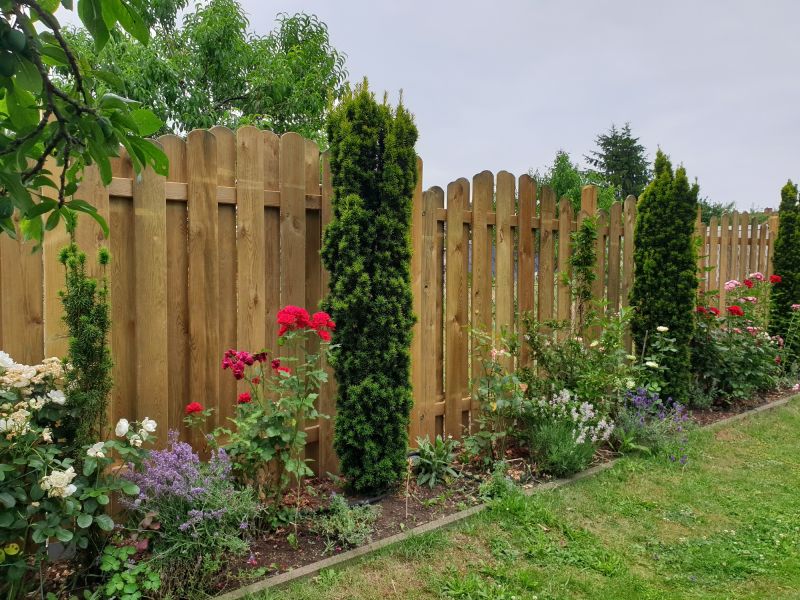
Spring's favorable weather conditions support efficient fence installation and setup.
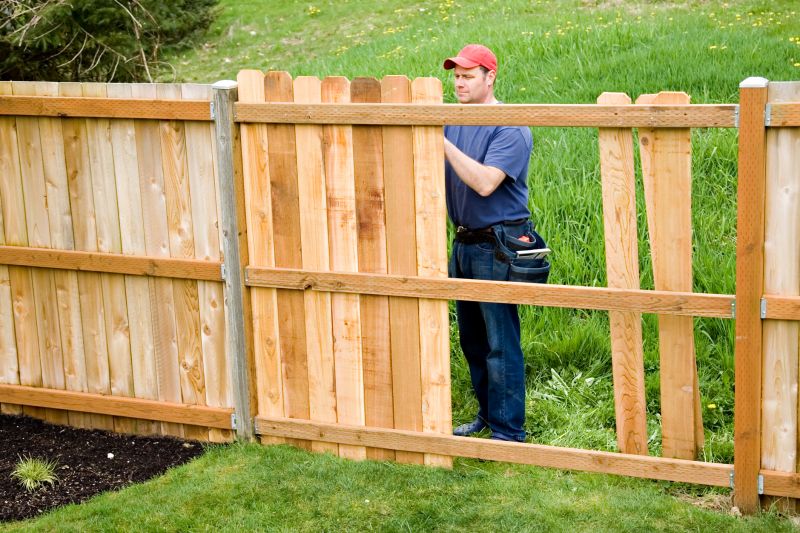
Fall offers cooler temperatures suitable for repairing and maintaining fences before winter.
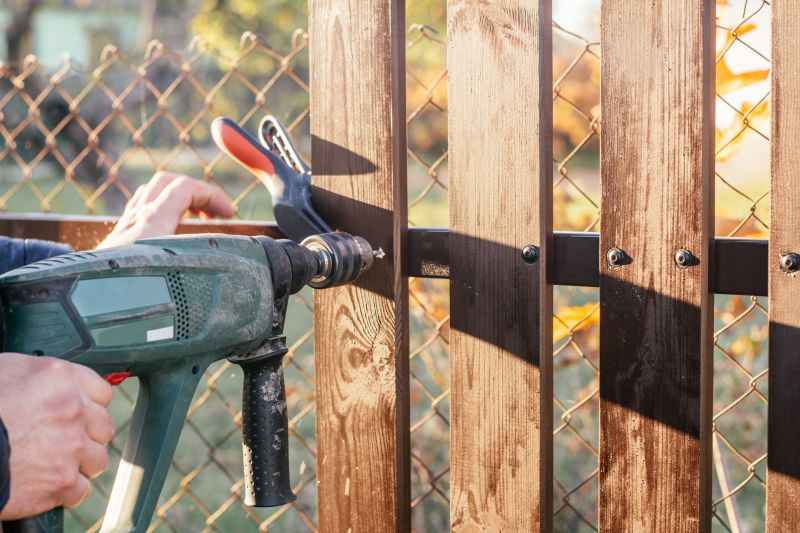
Longer days and warm weather make summer ideal for routine fence inspections and minor fixes.

Ways to make Fence Service work in tight or awkward layouts.
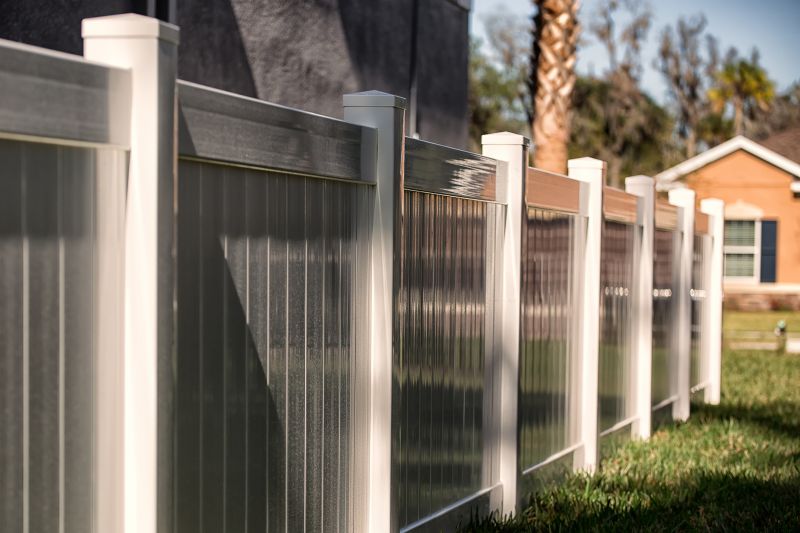
Popular materials for Fence Service and why they hold up over time.
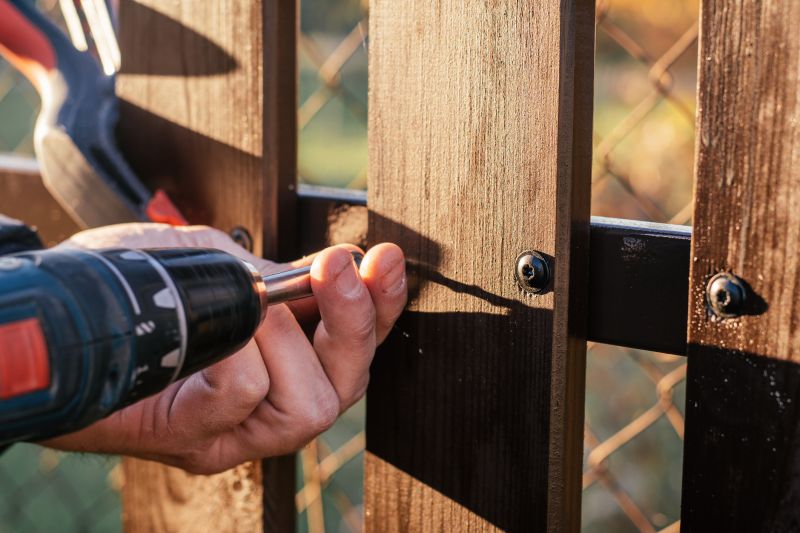
Simple add-ons that improve Fence Service without blowing the budget.
| Season | Recommended Activities |
|---|---|
| Spring | Installations, initial repairs, post-winter cleanup |
| Summer | Routine inspections, minor repairs, staining |
| Fall | Major repairs, prep for winter, staining |
| Winter | Limited repairs, inspections in mild weather |
Fence service is a critical aspect of property management, ensuring privacy, security, and aesthetic appeal. Proper timing can extend the lifespan of fencing materials and reduce long-term costs. Seasonal considerations such as temperature, moisture, and ground conditions influence the success of installation and repair projects. For example, installing fences during dry, mild weather minimizes soil disturbance and material warping, while avoiding extreme cold prevents material brittleness.
Statistics indicate that fence repairs are most frequently performed in spring and fall, aligning with optimal weather conditions. Properly timed fence maintenance can prevent costly replacements and ensure the fence remains functional and visually appealing. Regular inspections during the recommended seasons help identify issues early, such as wood rot, rust, or damage from storms, allowing timely intervention.
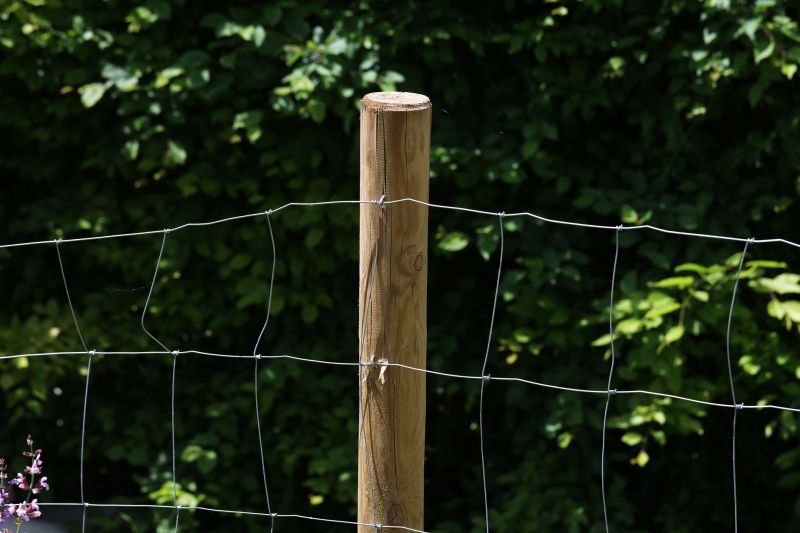
Spring's moderate weather supports efficient fence setup and reduces material stress.

Fall's cooler temperatures are ideal for repairing and maintaining fences before winter.
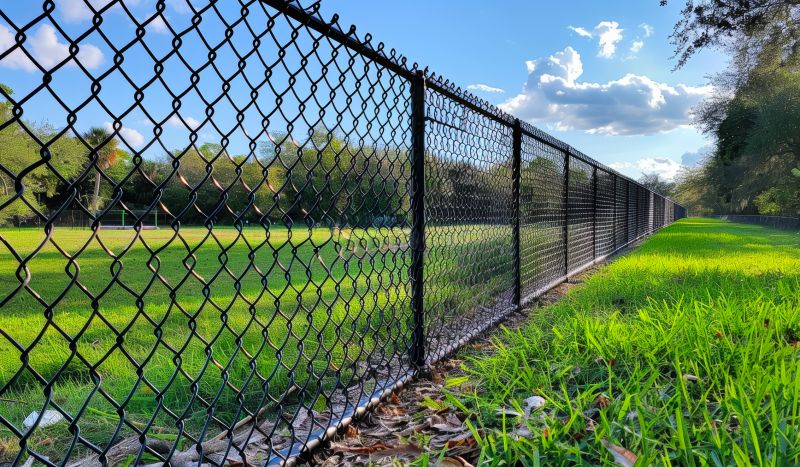
Summer provides ample daylight for inspections and minor fixes.
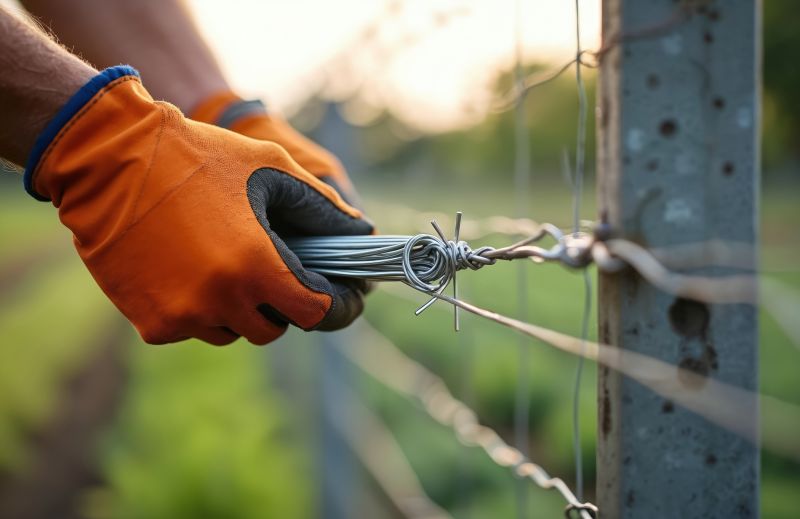
Limited to inspections and minor repairs during milder winter days.
Interested property owners or managers should consider scheduling fence service during the recommended seasons to maximize durability and minimize disruptions. Proper timing ensures fences remain secure, functional, and visually appealing throughout the year. For assistance with planning and executing fence projects, contact professionals experienced in seasonal considerations and local climate conditions.